

How To Make Patent Drawings Corse
I've always been fascinated with patents. Equally a youngster, I call up seeing a patent framed at my granddaddy's house—it's value reflected by its position right next to the family portrait. I never read the words, except for the inventor proper noun and patent title; instead, I only looked at the illustrations.
I think those high schoolhouse history lessons that involved crazy inventors like Nikola Tesla, George Eastman and Philo Farnsworth are role of what inspired me to get an engineer, and I've always found it intriguing to see a patent drawing next to the working product. It seemed like you could interpolate from the invention to the drawing, and right into the heed of the inventor.
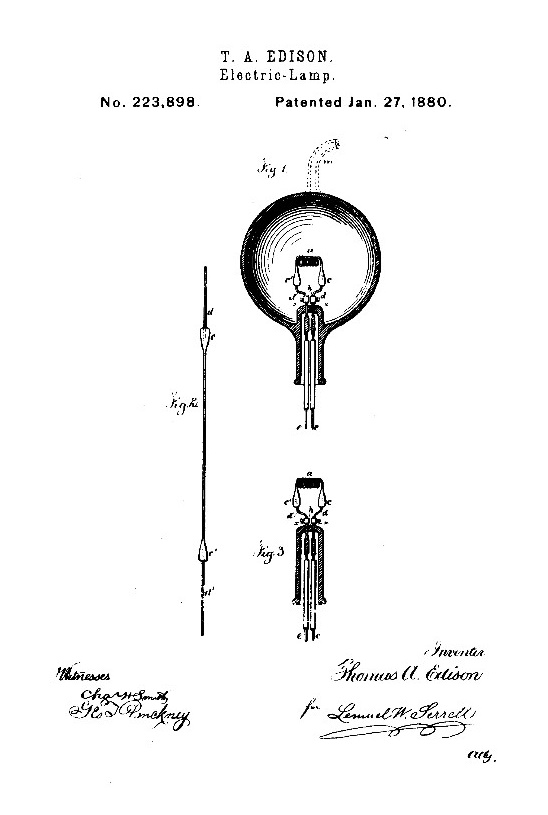
The proverb goes that a picture is worth a thousand words. Patents generally aren't short on words, and those words are generally confusing, intimidating and unattractive to the layman. So, it might be improve said that the drawings and illustrations are the beauty and magic of patents.
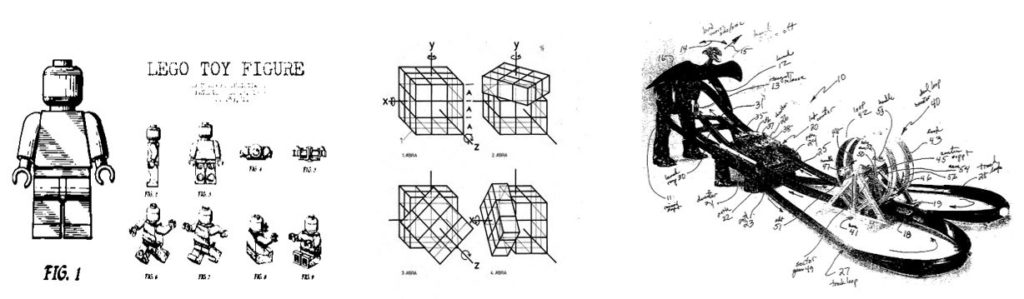
It's also a adept gateway into the intellectual property world for SOLIDWORKS users. I've been able to assistance design several products, and SOLIDWORKS is what got me into patent game. I was a CAD jock in the toy business, and would work on making other people's ideas into a tangible production (run into Figure ii).
When top management would make the decision to patent something, I would get a meeting request from a lawyer who would draw all the unlike drawing views he would need. While Mattel had a huge staff of lawyers, they likewise had a timeline and a budget. Well-nigh of the time, the lawyers would send my .dxf files out to a 3rd political party patent drawing vendor. A few lawyers would inquire for revisions so that the drawings would meet the criteria from the Usa Patent and Trademark Role (USPTO), which meant I would make the last drawings.
If you're reading this article, you lot have either been asked to brand some drawings, or you lot're trying to save a few bucks as you lot develop your ain patent and product. Since patent drawings are usually about $100 each, and about patents accept 10+ drawings, this can be significant savings. If you are making drawings for someone else, it'southward a bully gateway into the intellectual holding globe. If you lot are trying to make your own patent, you're in for a ride.
I will say that if you follow the directions in this article, your patent shouldn't get rejected for your illustrations. In my 15+ years of intermittent patent interest, none of my drawings have been rejected by the USPTO.
Since this commodity is for SOLIDWORKS users, nosotros're only going to talk about drawings for products or machines; we won't be covering illustrations for plants or processes, or annihilation that requires colour. If y'all need to go a flake deeper or to sympathize topics that aren't covered, I'd suggest reading How to Make Patent Drawings: A Patent It Yourself Companion by Jack Lo and David Pressman.
Patents stand for an intimidating just intriguing intersection of several disciplines and motivations. The government wants to promote and protect inventors without stifling the market, businesses want to make money and gain a monopoly and scientists want to see new ideas come up to life. The opportunity, money and emotions are at high levels, and discussions can range from the concrete basics-and-bolts to the abstract concept of defining innovation.
It'southward a scrap daunting, but also exciting to be involved in this unlike world. Patent lawyers sometimes get a bad reputation, only it is really quite fun to interact with them. They tend to exist very similar to engineers and designers—pragmatic, passionate, focused, sharp and hardworking. Nosotros tend to be a bit envious of their impromptu speaking skills, and I think they tend to be a bit covetous of our opportunity to get our hands muddy and make new products. Nosotros capeesh someone technical trying to sympathise our ideas,and they relish the opportunity to add value to a visitor.
A counter-statement I've heard from some engineers is that they would rather focus on developing other skills than learn most patents. However, I've institute that knowing a little bit can help yous a good deal. It's just like knowing some basic mechanics earlier yous go machine maintenance. If you prove that you know a little flake virtually any merchandise (such equally plumbing, machine maintenance or habitation repair), I think you tend to accept a better interaction than someone who is completely ignorant on the discipline.
Tip #1: Read a Book or 2 About Inventors
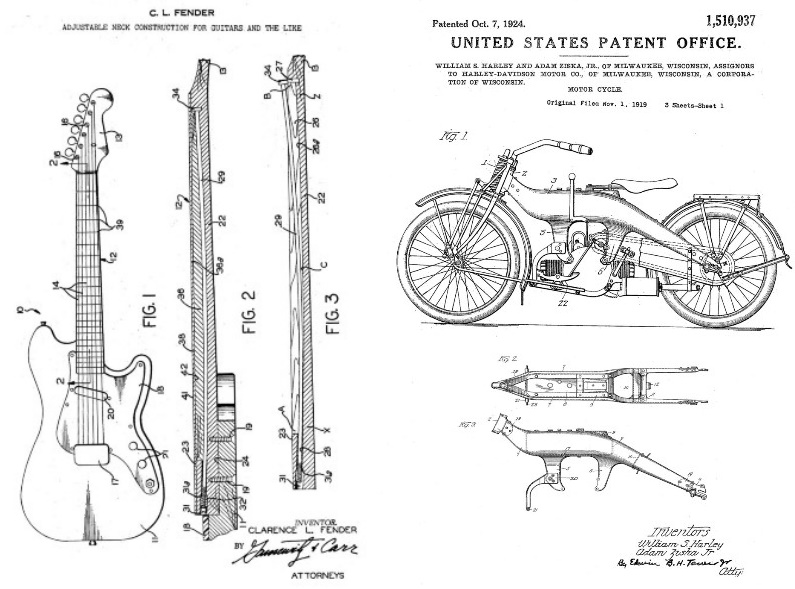
Stories most invention are fascinating to study. Ane of my favorites is The Wright Brothers by Stephen Ambrose. Then become enjoy studying 25 or so patent illustrations; yous can look up a complete patent on Google Patents.
I'd suggest making near half of these the classic inventions, such equally the Light Bulb, Telegraph and Ferris Wheel. For the other one-half, take a look at a dozen recent patent figures in the industry you are going to brand figures for.
This serves a couple purposes. I, you need to develop a dear for studying patent drawings. Some of the ones that were fabricated on drafting boards before the age of CAD are unreal art pieces. Of course, others tin can wait like they're done in crayon with the drafter using their non-dominant hand. At that place is a wide range of quality, and it'southward difficult to know how some were approved by the USPTO (especially if you are exposed to some of the more than trifling rejections).
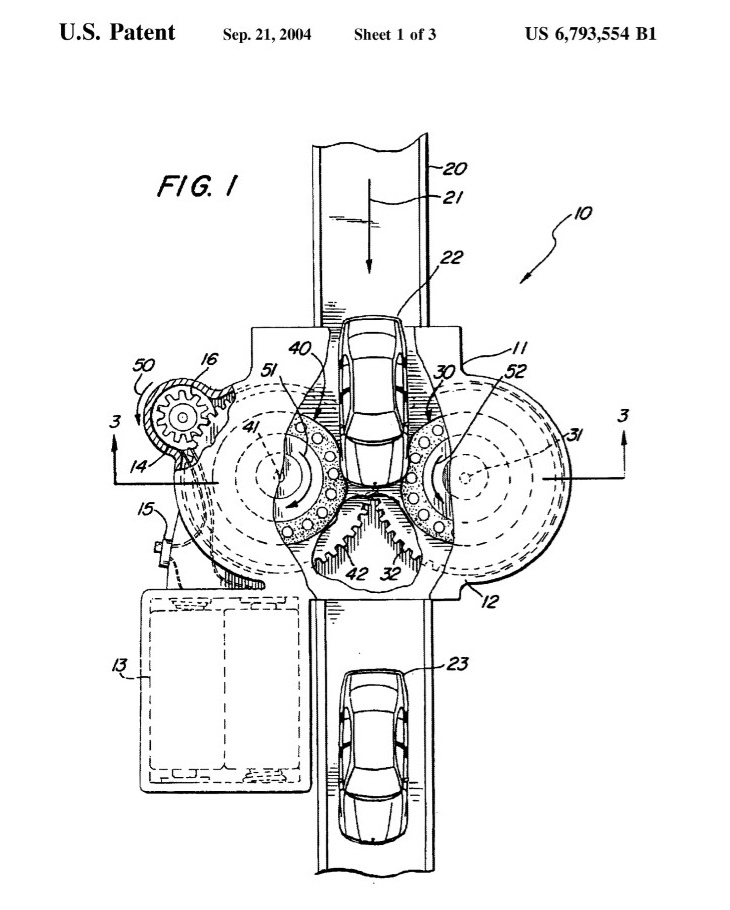
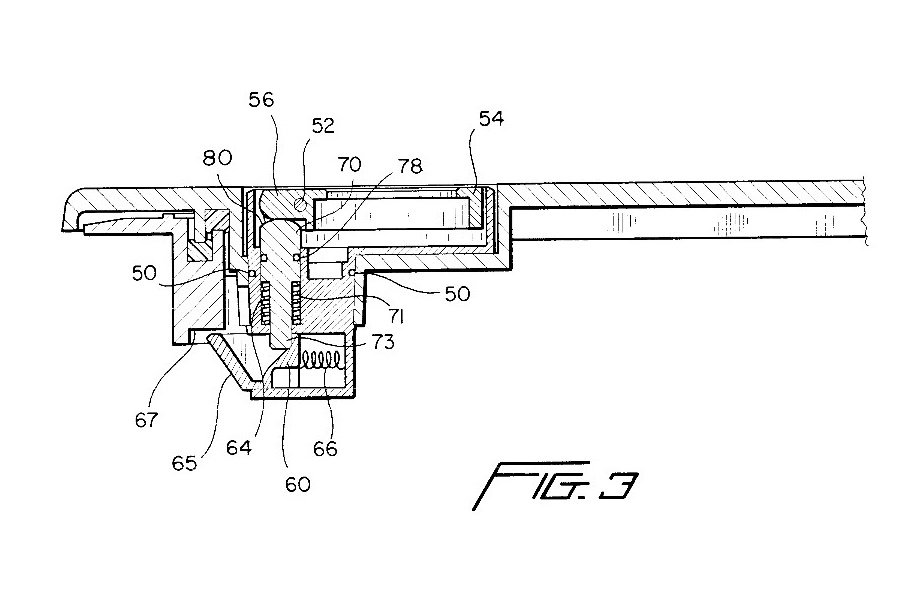
Even so, within an industry there seems to exist some level of consistency. My hypothesis is that the USPTO examiners are grouped by industry, and that those teams railroad train each other and develop their own set of rules inside the organization. For example, my feel is that the toy industry allows almost anything, while the industrial access hardware industry was a little more stringent (run across Figures 3 and 4). This makes sense, because toys tend to be a scrap more than style-based, while hardware seems to exist a bit more mechanical/mechanism driven.
Tip #two: Become the Right Mindset
There are several things I don't sympathize, and rules that don't seem to brand sense or that accept published counter examples.
For example, from the best I can understand, typical patent illustrations—chosen figures—need to exist in blackness and white, not greyscale. Notwithstanding, I've seen a number of figures that appear to accept some sort of greyscale shading.
If this inconsistency bothers you, and so you may non want to get involved with Patent Figures. Trying to go a patent is like visiting another country—y'all need to follow their rules and appreciate their customs. If yous don't, information technology's not going to be enjoyable for anyone. It'due south like request for ketchup at a small just archetype restaurant in French republic. They will be insulted, you'll exist frustrated, efforts will exist squandered and the experience will be negative.
It'south much better to embrace the rules that the USPTO has by taking on a "when in Rome…" mindset. Better all the same, try to understand the history behind patent figures. The USPTO has an incredible mission: they must come up with rules, regulations and definitions for ideas. It's an impossible task, but they do a pretty good job.
Tip #iii: Follow the Rules to Avoid Rejection
Tips three and 4 are serious. I've seen and heard almost "Office Deportment"—essentially, a rejection of a patent awarding—resulting from not following these rules.
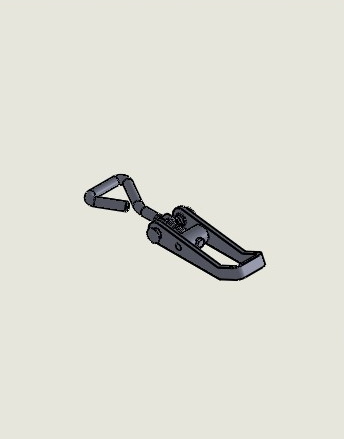
Brand your drawing template a vertical 8.v x 11 inches. Don't take any border lines and leave plenty of margin (see Figure 6). Only put one view per page. As well, don't accept any default shading or tangent lines (come across Figure 7).
I know some inventing entities put multiple figures on one folio and practise greyscale shading, simply my proffer is to play it safe. It doesn't cost more to have multiple pages of illustrations. I'd also suggest that you go to the USPTO website and read what they accept to say virtually drawing requirements.
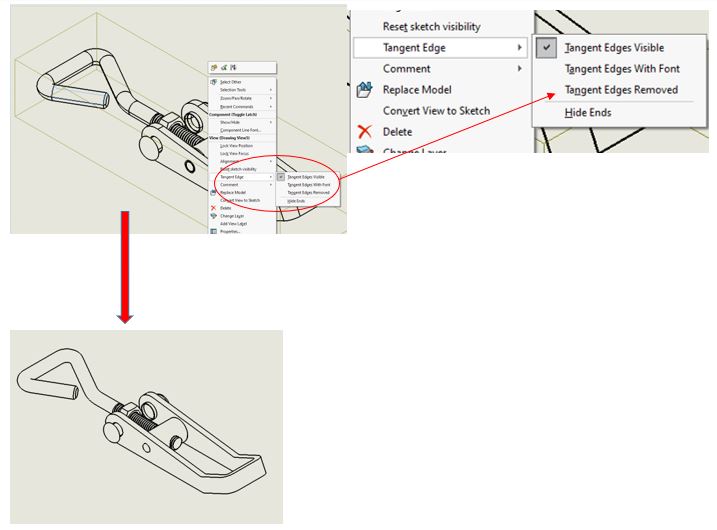
To remove the tangent lines on your figure:
- Select your view, and press your Right mouse button.
- Check on to "Tangent Edges Removed."
Tip #4: Line Weight and Balloons
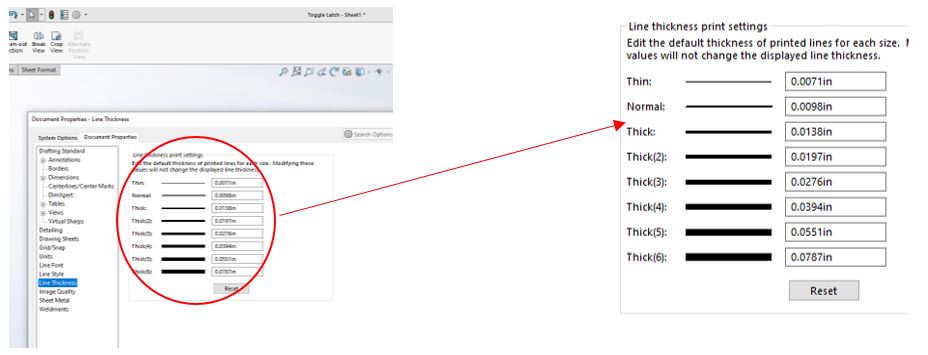
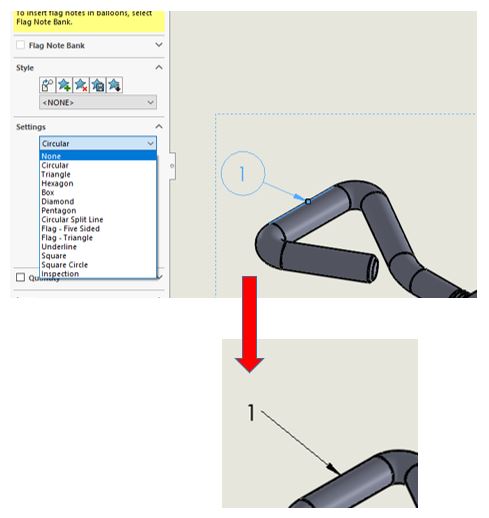
Change your line weight (run into Figures 8 and ix) and do non put circles, or anything else, around your balloons (encounter Figure 10).
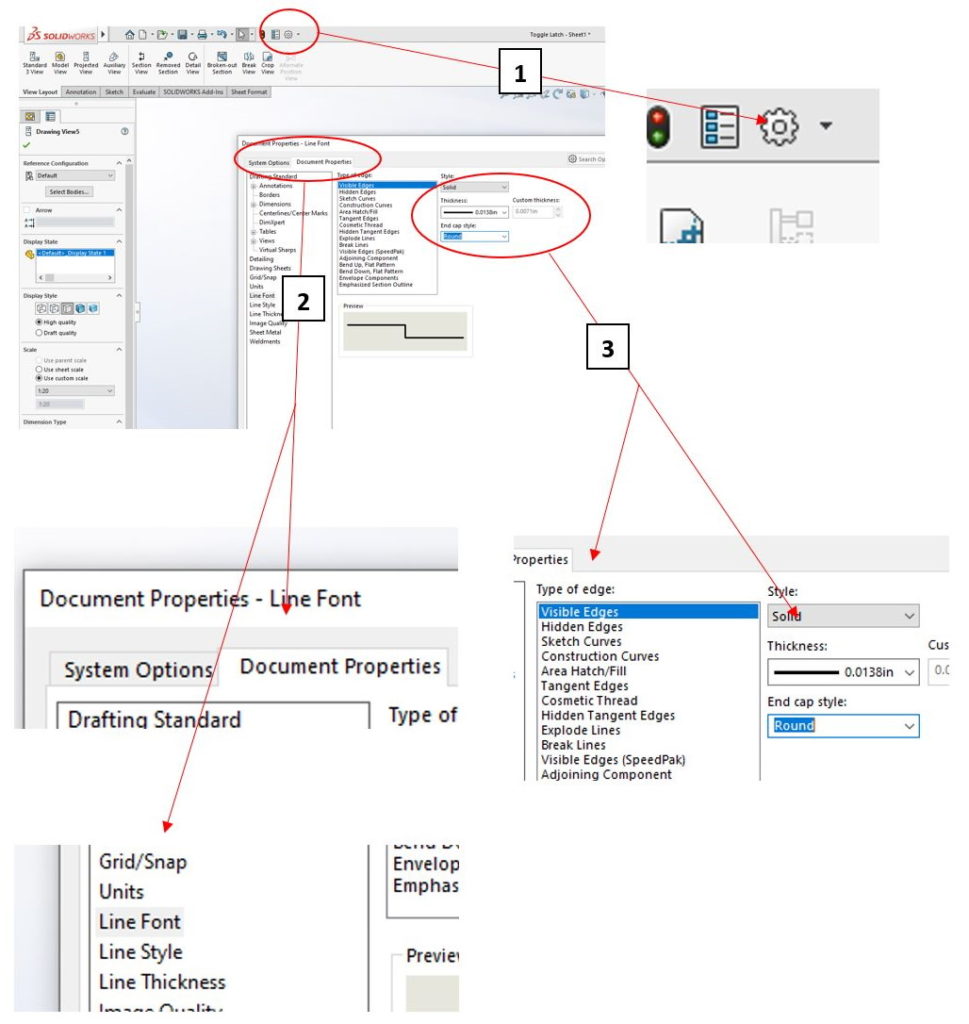
To change your line weights on your drawing:
- Select Options.
- Under "Document Backdrop" select "Line Font."
- Select "Line weight" of 0.0197".
Tip #5: Make Airship Lines "Squiggly"
These next iii tips aren't mandatory, simply I call back they're important to help avert too much scrutiny from the USPTO. If you lot make up one's mind not to follow tips 5, 6 and vii, it can signal to the examiners that amateurs have made the patent—and the examiner will not give you the benefit of the doubt.
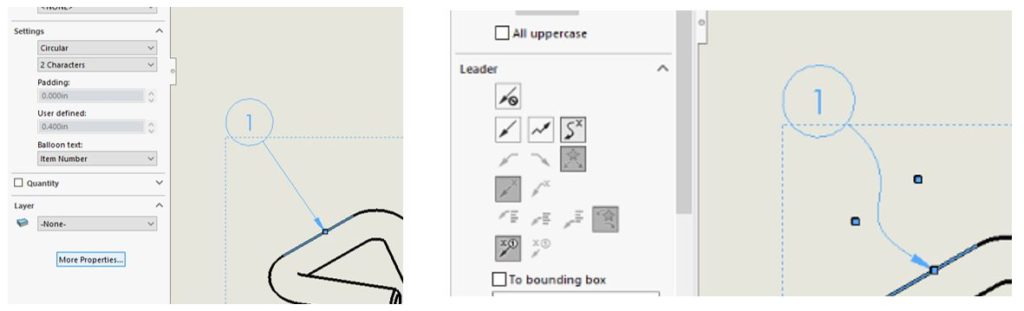
Tip #five is to make the balloon lines squiggly. Around 2014, Dassault made this easy to practise in SOLIDWORKS. I used to have to bladder the balloon and add a spline with an arrow. Now, it's pretty simple (see Figure 11).
Tip #6: Make Your Drawing Look More Similar a Sketch
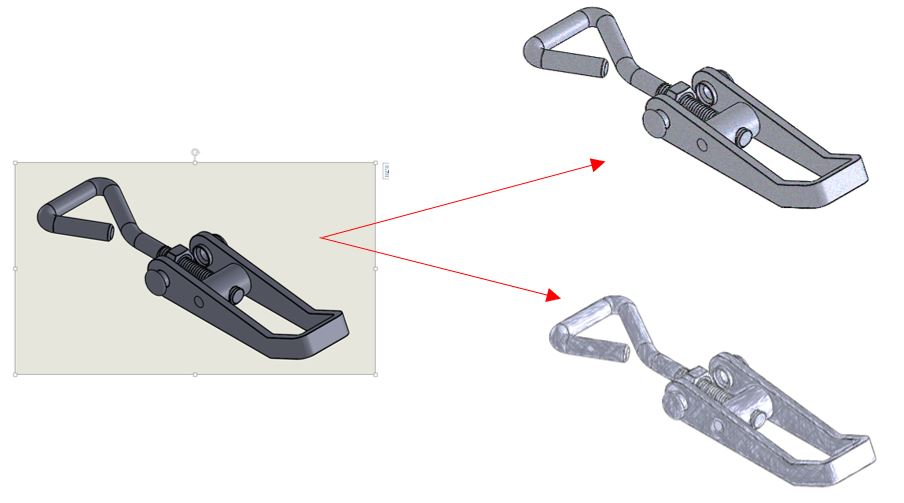
I'k still playing effectually with this, and oasis't yet submitted whatsoever drawing for patent like this—but I want to. Bring into Microsoft Word, Photoshop or Illustrator and play with different filters.
Tip #7: Develop Your Style!
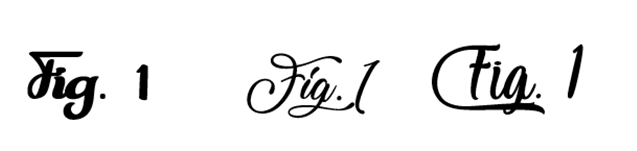
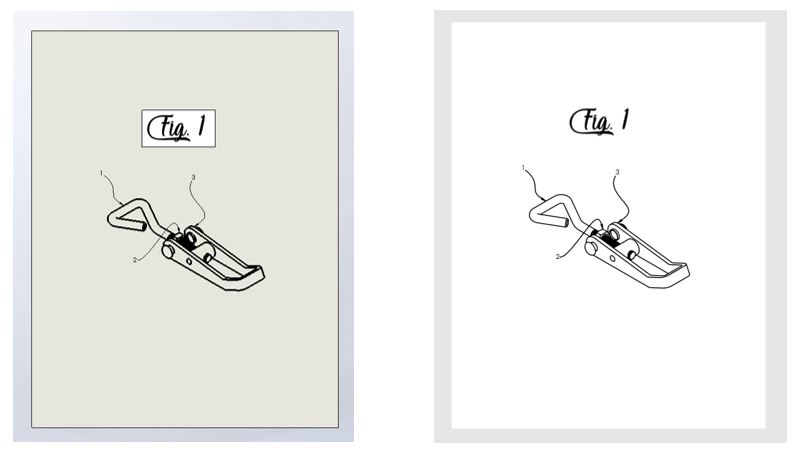
Accept some time and put the extra details in. This will be something that will eventually become up on your wall to be envied by your friends and admired by your grandkids. Many times, I allowed myself to be rushed into sending the figures to the lawyers because I was pressed for time or had other projects. 1 area that is broad open is the font for the figure numbering (come across Effigy 13). You can discover something online, or make your own.
Please allow me know how it goes and if you have any comment or other experiences.
Almost the Author

Jim Lucas is product development consultant who enjoys running, coaching soccer and playing with burn. He can be reached at Jim.Lucas@i-elf.com.

Source: https://www.engineersrule.com/how-to-make-patent-drawings-in-solidworks/
Posted by: brownveng1944.blogspot.com
0 Response to "How To Make Patent Drawings Corse"
Post a Comment